
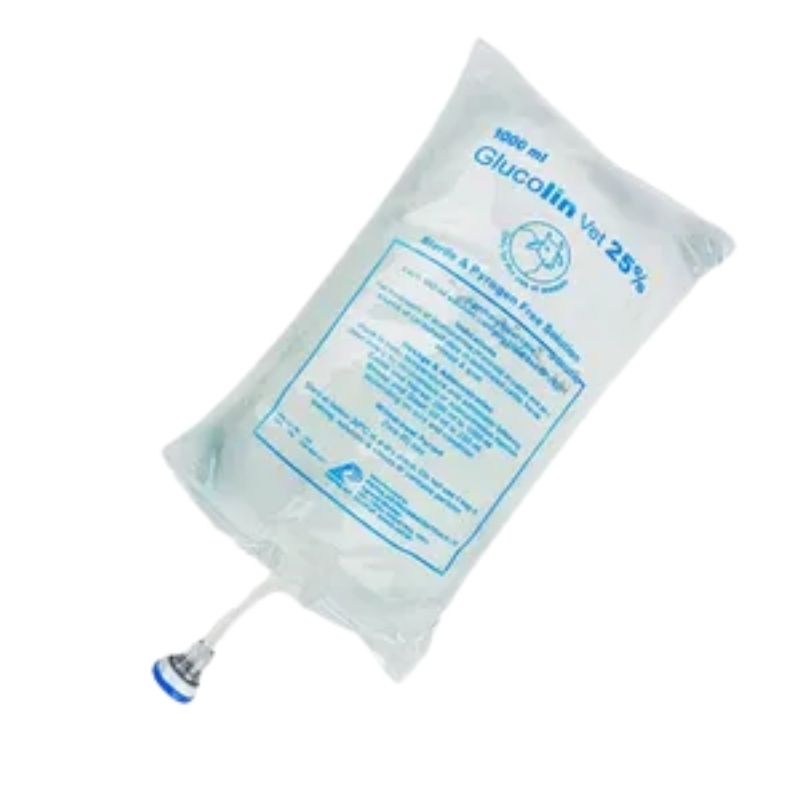
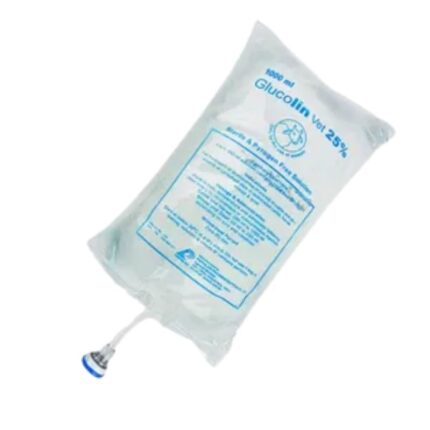
Glucolin Vet
130.00৳
Popular Pharmaceuticals Ltd.
Generic: Dextrose Anhydrous (Vet)
1 x 1000ml IV Infusion
| Weight | 1 kg |
|---|
0
People watching this product now!
Description
Introduction
Glucolin Vet plays an important role in veterinary care As the pure, anhydrous form of glucose, dextrose serves as a concentrated and easily absorbable energy source for dehydrated animals. In the veterinary field, Glucolin Vet is widely used to meet a variety of clinical needs, providing support in physically demanding conditions such as pregnancy, lactation and illness.
Uses of Glucolin Vet
Glucolin Vet is used to treat carbohydrate and fluid deficiency.
How to use Glucolin Vet
Take Glucolin Vet in the dose and duration as advised by Registered Veterinary Physician.
How Glucolin Vet works
Glucolin Vet iextrose works by giving cells energy, controlling blood sugar, preserving fluid balance, and encouraging wound healing.
Brief Description
Indication
For use in the treatment of acetonemia (ketosis) in cattle, as well as as a source of carbohydrates in debilitated cattle, buffalo, horses, sheep, and goats.
Administration
Administer the dose by intravenous or subcutaneous injection after warming to body temperature. Depending on the requirements of the animal, dextrose can be given orally, intravenously, or subcutaneously.
Dose
Cattle and Horses: 200 ml to 1000 ml, Sheep and Goat: 60 ml to 200 ml, Depending on size and condition. Treatment may be repeated in several hours or on successive days as needed. Or as directed by the registered Veterinarian.
Mode of Action
Dextrose exerts its effects in veterinary medicine by providing energy to cells, regulating blood sugar levels, maintaining fluid balance, and promoting wound healing.
Contraindication
Dextrose is contraindicated in animals with hyperglycemia (high blood sugar). Administering dextrose to these animals can further elevate blood sugar levels, leading to serious complications such as diabetic ketoacidosis. Electrolyte imbalances: Dextrose can affect electrolyte balance in the body. It is contraindicated in animals with pre-existing electrolyte imbalances, as it can further disrupt electrolyte levels and lead to serious health problems.
Precautions
Dextrose can be a valuable therapeutic tool in veterinary medicine, but precautions must be taken to ensure its safe and effective use. By following these precautions and consulting with a qualified veterinarian, you can minimize the risks associated with dextrose therapy and maximize its benefits for your pet.
Side Effect
Rapid or excessive administration of dextrose can lead to a rapid rise in blood glucose levels, resulting in hyperglycemia.Fluid and Electrolyte Imbalances.In some cases, the administration of large volumes of dextrose can contribute to the development of metabolic acidosis, particularly in animals with compromised renal or hepatic function.In some cases, the administration of large volumes of dextrose can contribute to the development of metabolic acidosis, particularly in animals with compromised renal or hepatic function.
Pregnancy & Lactation Category Note
The use of dextrose in pregnant and lactating animals requires close veterinary supervision to ensure safety and meet the specific needs of the animal and its offspring.
Interaction
Diuretic medications, such as furosemide or hydrochlorothiazide, commonly used in animals with heart or kidney disease, can lead to fluid and electrolyte imbalances. The administration of dextrose may further disrupt the fluid and electrolyte balance, requiring close monitoring and potential adjustments to the treatment plan.
Storage Conditions
Keep the temperature below 30°C and away from light and moisture. Keep out of children’s reach.
Reviews (0)
Only logged in customers who have purchased this product may leave a review.
Related products
-9% Sold out
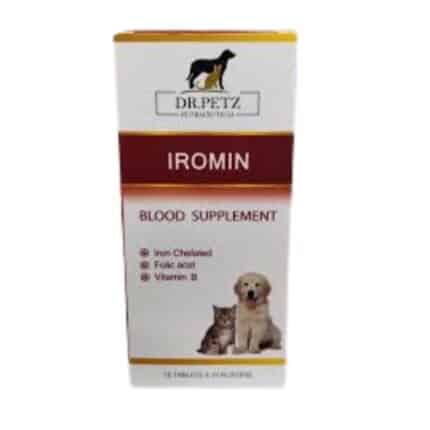
DR. PETZ Iromin Blood Supplement
Original price was: 1,333.00৳ .1,212.00৳ Current price is: 1,212.00৳ .
-8%
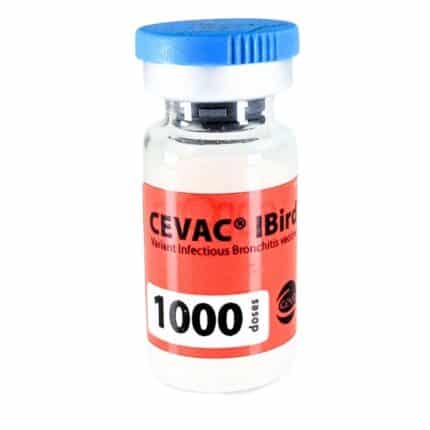
Cevac IBird 1000d
Original price was: 1,200.00৳ .1,100.00৳ Current price is: 1,100.00৳ .
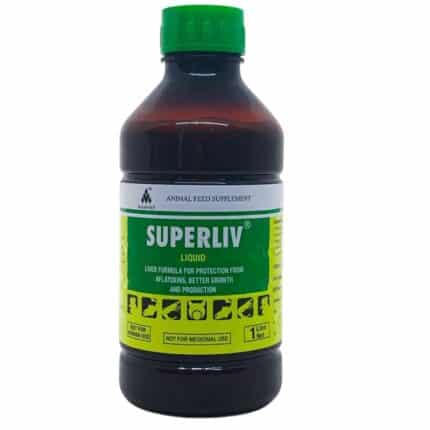
-8%
Superliv Liquid 500ml
Original price was: 260.00৳ .240.00৳ Current price is: 240.00৳ .
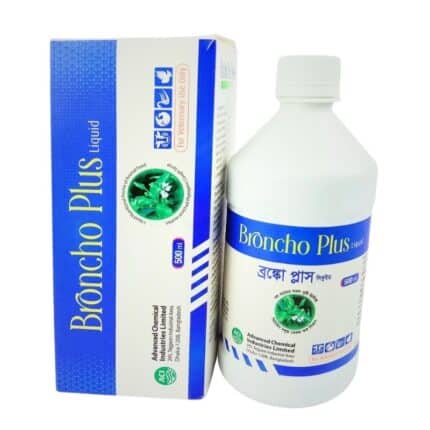
-3%
Broncho Plus Liquid 500ml
Original price was: 155.00৳ .150.00৳ Current price is: 150.00৳ .
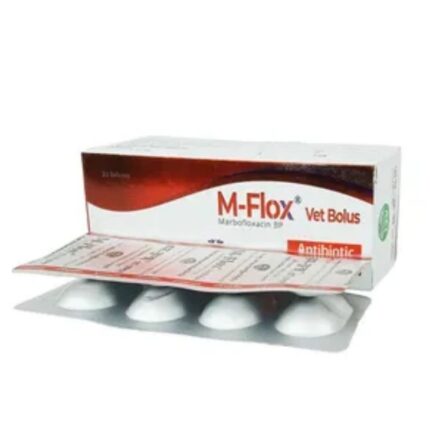
Sold out
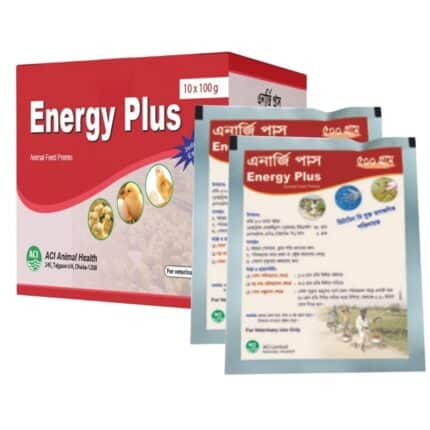
-9% Sold out
Energy Plus 500gm
Original price was: 220.00৳ .200.00৳ Current price is: 200.00৳ .
-8%
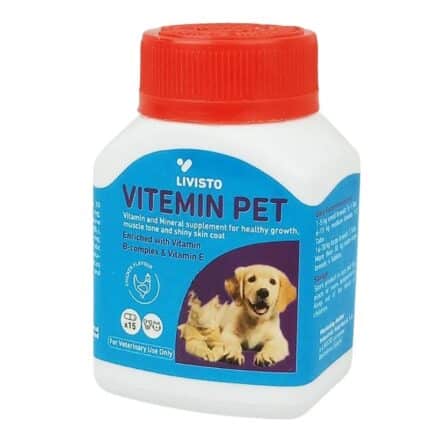
Livisto Vitemin Pet Enriched With Vitamin B-Complex & Vitamin 15 Tablets
Original price was: 315.00৳ .290.00৳ Current price is: 290.00৳ .


Reviews
There are no reviews yet.