
-9% Sold out
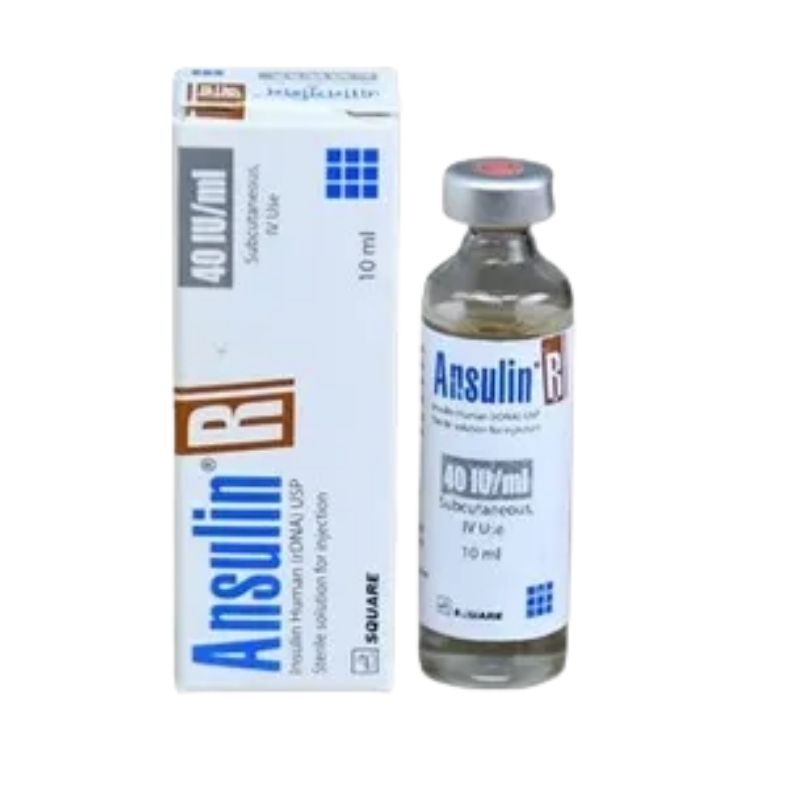
Ansulin R 40IU Vial Injection – (40IU/ml)
Original price was: 195.00৳ .178.00৳ Current price is: 178.00৳ .
Square Pharmaceuticals PLC.
Generic: Insulin (Human) R
1 x 10ml vial
| Weight | 0.015 kg |
|---|
Out of stock
0
People watching this product now!
Description
Indication
Diabetic ketoacidosis, Diabetes mellitus
Administration
Administer within 15 minutes before a meal or immediately after a meal. Administer subcutaneously in the upper arm, thigh or abdominal wall. A subcutaneous injection into the abdominal wall results in a faster absorption than from other injection sites.
Adult Dose
Subcutaneous Type 1 Diabetes Mellitus Initial: 0.2-0.4 units/kg/day SC divided q8hr or more frequently Maintenance: 0.5-1 unit/kg/day SC divided q8hr or more frequently; in insulin-resistant patients (eg, due to obesity), substantially higher daily insulin may be required Approximately 50-75% of the total daily insulin requirements are given as intermediate- or long-acting insulin administered in 1-2 injections; rapid- or short-acting insulin should be used before or at mealtimes to satisfy the remainder balance of the total daily insulin requirements Type 2 Diabetes Mellitus Type 2 diabetes inadequately controlled by diet, exercise, or oral medication: Initial: 0.2-0.4 units/kg/day SC divided q8hr-q12hr Intramuscular…
Child Dose
Subcutaneous Type 1 Diabetes Mellitus Initial: 0.2-0.4 unit/kg/day SC divided q8hr or more frequently Maintenance: 0.5-1 unit/kg/day SC divided q8hr or more frequently; in insulin-resistant patients (eg, due to obesity), substantially higher daily insulin may be required Adolescents: May require up to 1.5 mg/kg/day during puberty The average total daily insulin requirement for prepubertal children varies from 0.7-1 unit/kg/day but may be much lower
Renal Dose
Renal impairment: Dose adjustments may be needed.
Contraindication
Hypoglycaemia.Hypersensitivity to any of the components.
Mode of Action
Insulin lowers blood glucose levels. It regulates carbohydrate, protein and fat metabolism by inhibiting hepatic glucose production and lipolysis, and enhancing peripheral glucose disposal. The various insulin formulations are classified according to their durations of action after SC Inj. They are divided into short-, intermediate-, or long-acting insulin. Soluble insulin (also known as ‘neutral insulin’ or ‘regular insulin’) is a short-acting preparation. To extend the duration of action of insulin, preparations are formulated as suspensions in 2 methods. The 1st method involves complexing insulin with a protein so that it is slowly released, e.g. protamine zinc insulin (contains an excess…
Precaution
Pregnancy (insulin requirements tend to fall during the 1st trimester, increase during the 2nd and 3rd) and lactation. Caution with decreased insulin requirements: Diarrhea, nausea/vomiting, malabsorption, hypothyroidism, renal impairment, hepatic impairment Hypokalemia may occur Use with caution in renal and hepatic impairment (dosage requirements may be reduced) Caution with increased insulin requirements: Fever, hyperthyroidism, trauma, infection, surgery Lactation: Safe to use while breastfeeding
Side Effect
Allergic reactions. Injection site reaction, lipodystrophy, pruritus, rash, lipoatrophy, hypokalaemia, blurred vision. Hypoglycaemia, insulin resistance. Headache,Influenza-like symptoms,Dyspepsia,Diarrhea,Back pain,Pharyngitis,
Interaction
Possible absence of hypoglycaemic warning symptoms with beta-blockers. Decreased hypoglycaemic effect with corticosteroids, danazol, diazoxide, diuretics, glucagon, isoniazid, phenothiazine derivatives, somatropin, sympathomimetic agents, thyroid hormones, oestrogens, progestins (e.g. in oral contraceptives), protease inhibitors and atypical antipsychotic (e.g. olanzapine and clozapine). Increased hypoglycaemic effect with oral antidiabetic agents, ACE inhibitors, disopyramide, fibrates, fluoxetine, MAOIs, pentoxifylline, propoxyphene, salicylates and sulfonamide antibiotics. Decreased insulin resistance with octreotide and lanreotide. Increased risk of wt gain and peripheral oedema with pioglitazone, rosiglitazone. Decreased effect of sermorelin.
Reviews (0)
Only logged in customers who have purchased this product may leave a review.
Related products
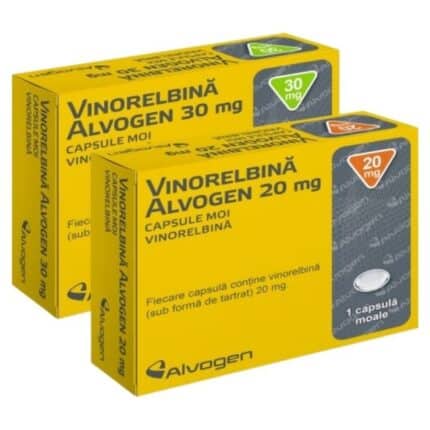
Vinorelbine Capsules 30 mg
Original price was: 5,750.00৳ .5,462.00৳ Current price is: 5,462.00৳ .
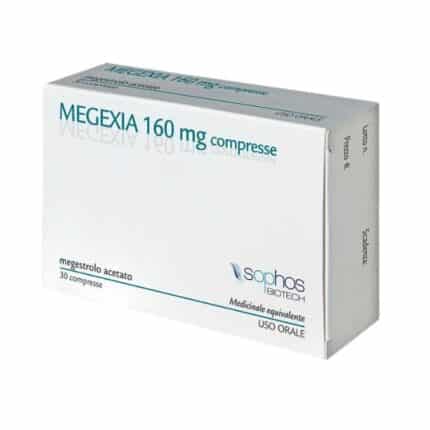
Megexia 160 gm Tablets
Original price was: 2,640.00৳ .2,508.00৳ Current price is: 2,508.00৳ .
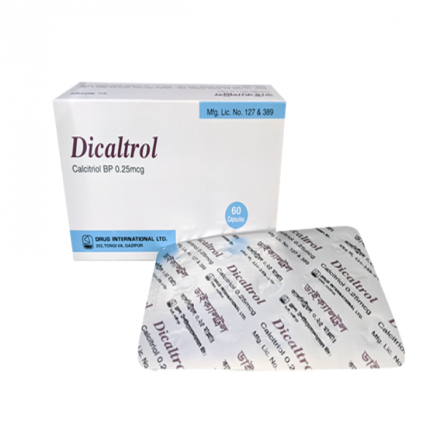
Cap. Dicaltrol 0.25mg
Original price was: 180.00৳ .162.79৳ Current price is: 162.79৳ .
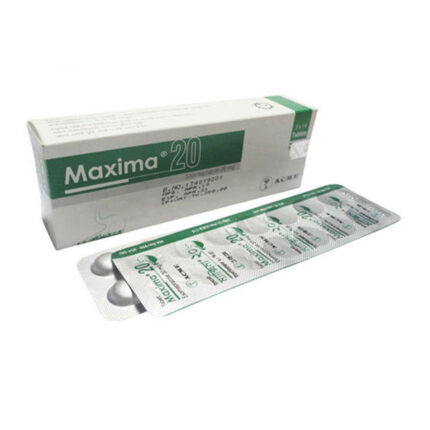
Tab. Maxima 20mg
Original price was: 98.00৳ .88.20৳ Current price is: 88.20৳ .
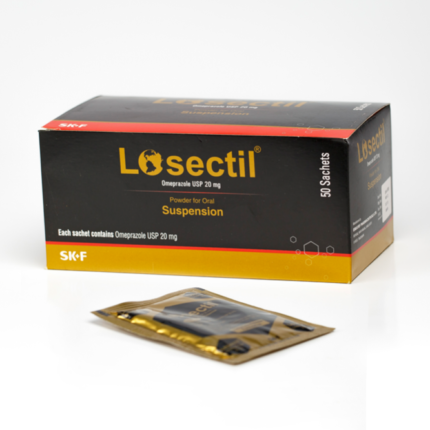
Losectil 20mg (Powder)
Original price was: 6.00৳ .5.44৳ Current price is: 5.44৳ .
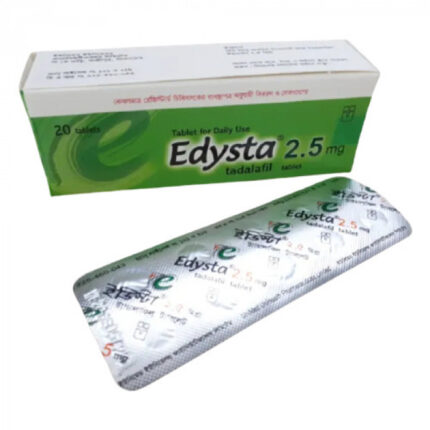
Tab. Edysta 2.5mg
Original price was: 100.00৳ .90.50৳ Current price is: 90.50৳ .



Reviews
There are no reviews yet.